One of the most challenging parts of learning a new language is navigating the aspects that don’t exactly translate. Do you remember learning false friends and learning that different languages don’t always follow the same patterns? Just like other grammatical rules that don’t literally translate, it’s important to learn when to use the “personal a” […]

Jeśli planujesz podróżować lub mieszkać za granicą, jednym z twoich głównych zmartwień musi być poruszanie się po mieście. Chociaż telefony komórkowe sprawiły, że nieskończenie łatwiej jest dowiedzieć się, jak poruszać się po innych krajach, nadal ważne jest, aby znać podstawowe terminy. Zakupy, posiłki i inne przyjemne czynności zwykle wykorzystują wiele słownictwa sklepowego, [...]
Większość słów pytających lub zaimków pytających w języku hiszpańskim wydaje się tłumaczyć dokładnie tak samo w języku angielskim. Na przykład w pytaniu "Cuándo es el examen?" oznaczającym "Kiedy jest egzamin?", cuándo oznacza kiedy. W niektórych przypadkach słowa pytające qué lub cuál mogą mieć podobne znaczenie, jak what lub
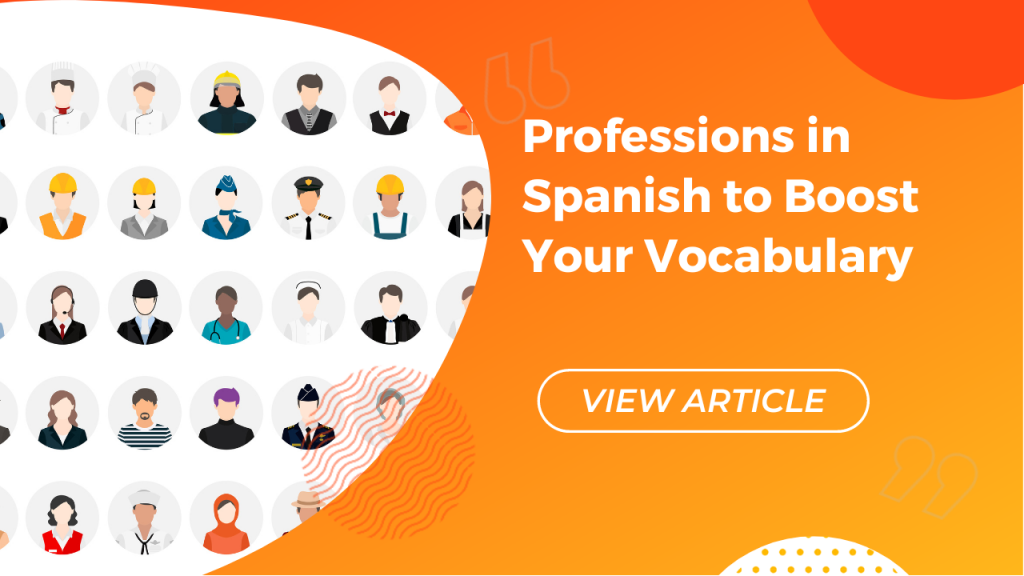
Every day, new job titles pop up that didn’t exist the day before! That can make it tricky to talk about our own jobs in English, and especially difficult in a second language. Every sector has terms specific to their field, so it’s hard to conceive how many professions are out there. Here, we’ll simplify […]
Having a language journal when learning a language has lots of perk, and is even more useful if you’re learning at home. You can find thousands of products on the shelves that have different templates, prompts and lengths, or you can pick up a simple notebook and pen. Whichever route you choose to start to […]
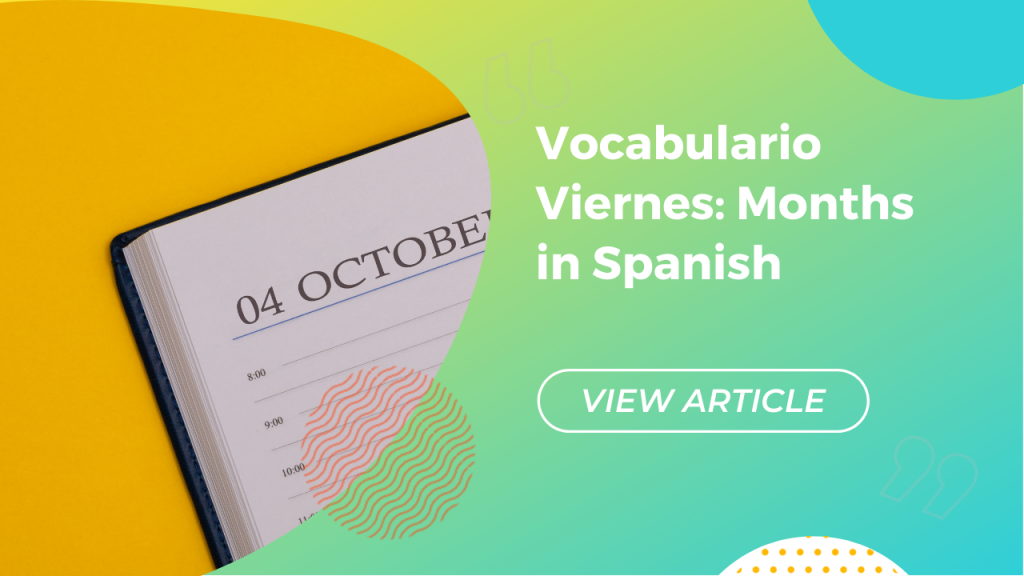
Welcome back to Vocabulario Viernes! Today, we’re continuing our vocabulary about the calendar in Spanish. If you haven’t seen it yet, check out of our last Vocabulario Viernes on days of the week. After learning the days of the week and the format of a calendar in Spanish, here we’ll show you the months in […]
Być może jednym z najzabawniejszych sposobów na ćwiczenie wymowy jest wypróbowanie kilku trabalenguas, czyli łamańców językowych. Są one głupie, wymagające i satysfakcjonujące. Jeśli jesteś gotowy na nowy sposób skupienia się na pewnych mieszankach dźwięków lub jeśli jesteś znudzony tradycyjnymi praktykami wymowy, te trabalenguas z pewnością sprawią, że ty i twoi przyjaciele [...]

Sometimes, finding someone to practice speaking with is the absolute hardest part of learning a language. Whether you’re excited to chat or anxious to speak in front of others, if you want to improve your pronunciation, it’s a good idea to record yourself. We’ll give you some tips to use any voice recorder you have […]

One of the main reasons why someone stops learning a language is because they got bored of it, or they became frustrated that they weren’t reaching the milestones they wanted. It’s common to feel overwhelmed, and that’s a sign to change your mindset. Learn about what interests you, and you’ll keep your motivation. Focus on […]
Chociaż może to brzmieć podobnie do pytania ¿Cómo estás?, które pyta o to, jak się teraz czujesz, ¿Cómo eres? pyta o to, jaki jesteś. Jeśli pomyślisz o różnicach między ser i estar, ma to sens, że pierwsze pytanie pyta o twój stan w tej chwili, a drugie to













 Polski
  English
  Español
  Italiano
  Français
  Русский