- [email protected]
- +34 961258767
- Av. del Marqués de Sotelo 3, Floor 2, Door 4, 46002 Valencia
Centre accrédité par l'Instituto Cervantes
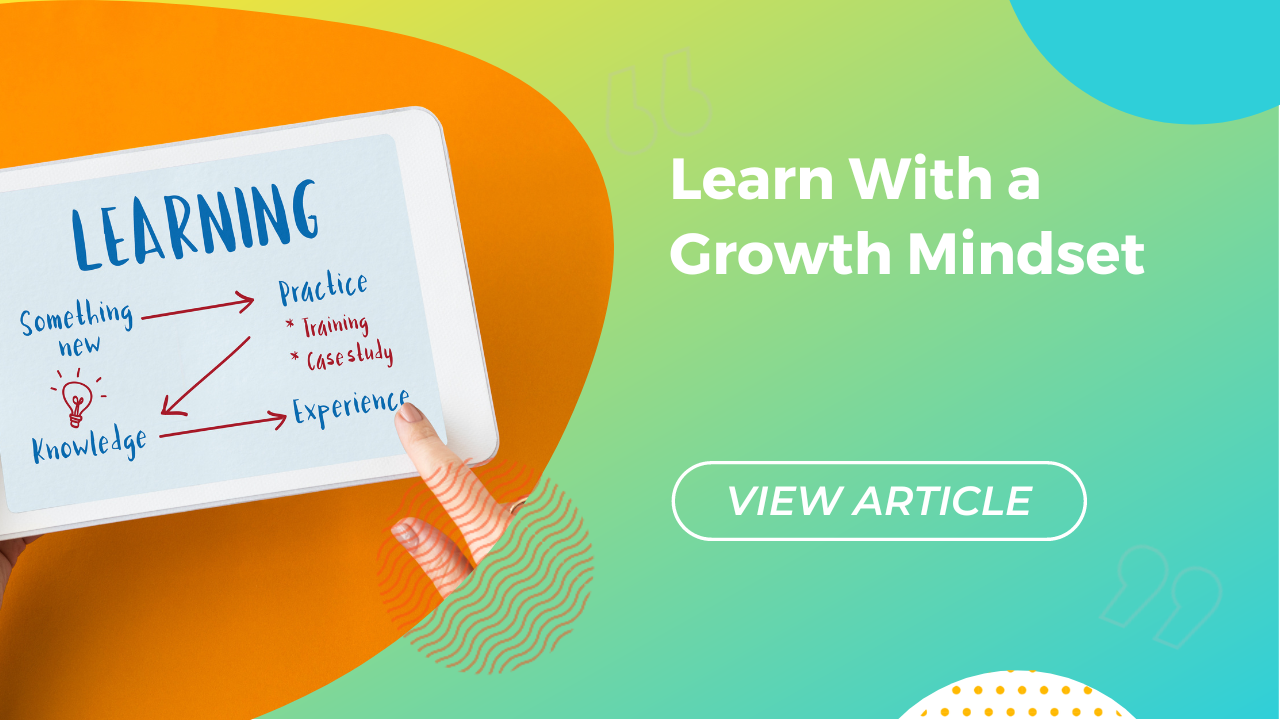
The way you view yourself, your goals and your challenges can actually affect your ability to learn. The idea of a growth mindset vs. a fixed mindset first originated in Carol Dweck’s 2006 book titled L'état d'esprit : La nouvelle psychologie du succès. Elle y parle de la façon dont tu peux adapter ton état d'esprit pour atteindre tes objectifs. Tu veux en savoir plus ? Continue à lire !
Selon Dweck, une personne ayant un état d'esprit de croissance voit l'intelligence, talents et compétences comme quelque chose que tu peux apprendre et améliorer en travaillant dur. En revanche, une personne qui a un état d'esprit fixe pense que ces concepts sont stables et que tu ne peux pas les modifier au fil du temps. En clair, soit tu as les compétences, soit tu ne les as pas.
If you approach a situation with a growth mindset, you’ll see it as something that, if you aren’t good at it right away, it’s something you can work at. However, if you have a fixed mindset, you’re more likely to think that you aren’t good at it, so you’ll never be good at it.
Lors de l'apprentissage d'une langue, certaines personnes peuvent l'assimiler rapidement. D'autres, en revanche, ont besoin de plus de temps ou de nouvelles approches pour l'apprendre. Toutefois, cela ne signifie pas que seules les personnes qui comprennent les langues plus "naturellement" sont capables de réussir. C'est là que l'adoption d'un état d'esprit de croissance t'aidera.
If you look at a concept and think, “hm, this is challenging, but I can work at it and improve” then you are giving yourself the opportunity to let yourself improve. If you approach the same situation and think, “I’m not good at this now and I’ll never be good at it” then you aren’t giving yourself the chance to grow. Being mindful of the way you talk to yourself and see your own skills and abilities will help you grow. Remember, just because it isn’t easy doesn’t mean it isn’t possible.
 English English
  Español
 Italiano
 Français
 Polski
 Русский