Co teraz robisz? Czytasz o języku hiszpańskim? Myślisz o studiach za granicą? Istnieją różne sposoby, w jakie możemy opisać teraźniejszość gramatyczną, a jednym z nich jest teraźniejszość progresywna. W języku angielskim używamy "-ing". Jeśli chcesz zacząć ćwiczyć tę powszechną strukturę gramatyczną, sprawdź [...]

Ser vs. estar, czyli jeden z głównych elementów gramatycznych na kursach hiszpańskiego A1, może na początku wydawać się trudny, ale wcale nie jest taki straszny, jak wygląda. Jednak kiedy już zapamiętasz zasady, kiedy którego używać, zacznie to przychodzić ci naturalnie. Zwróć uwagę na poniższe wskazówki, które pomogą ci używać ser […]

Czasami znalezienie kogoś, z kim możesz ćwiczyć mówienie, jest absolutnie najtrudniejszą częścią nauki języka. Niezależnie od tego, czy jesteś podekscytowany rozmową, czy nie chcesz mówić przed innymi, jeśli chcesz poprawić swoją wymowę, dobrym pomysłem jest nagranie siebie. Podamy Ci kilka wskazówek, jak korzystać z dowolnego dyktafonu, który posiadasz [...]
Chociaż może to brzmieć podobnie do pytania ¿Cómo estás?, które pyta o to, jak się teraz czujesz, ¿Cómo eres? pyta o to, jaki jesteś. Jeśli pomyślisz o różnicach między ser i estar, ma to sens, że pierwsze pytanie pyta o twój stan w tej chwili, a drugie to

Każdy język ma czasowniki nieregularne, co oznacza, że odmieniasz je nieco inaczej niż inne czasowniki. Jeśli czujesz się już komfortowo odmieniając czasowniki regularne w czasie teraźniejszym, które kończą się na -ar, -er lub -ir, to nadszedł czas, aby nauczyć się czasowników odmieniających się przez przypadki! Czym są czasowniki odmieniające się przez przypadki? Po pierwsze, musimy przejrzeć części czasownika. [...]

Słyszałeś kiedyś o terminie “pro-drop”? To skrót od “pronoun-drop” (pomijanie zaimków) i chodzi w nim o takie zjawisko gramatyczne, które występuje w niektórych językach. Pro-drop może się wydawać małą rzeczą, ale poznanie go i nauczenie się, jak go używać, sprawi, że poczujesz się i zabrzmisz bardziej jak native speaker. Czytaj dalej, żeby się dowiedzieć, o co chodzi. […]
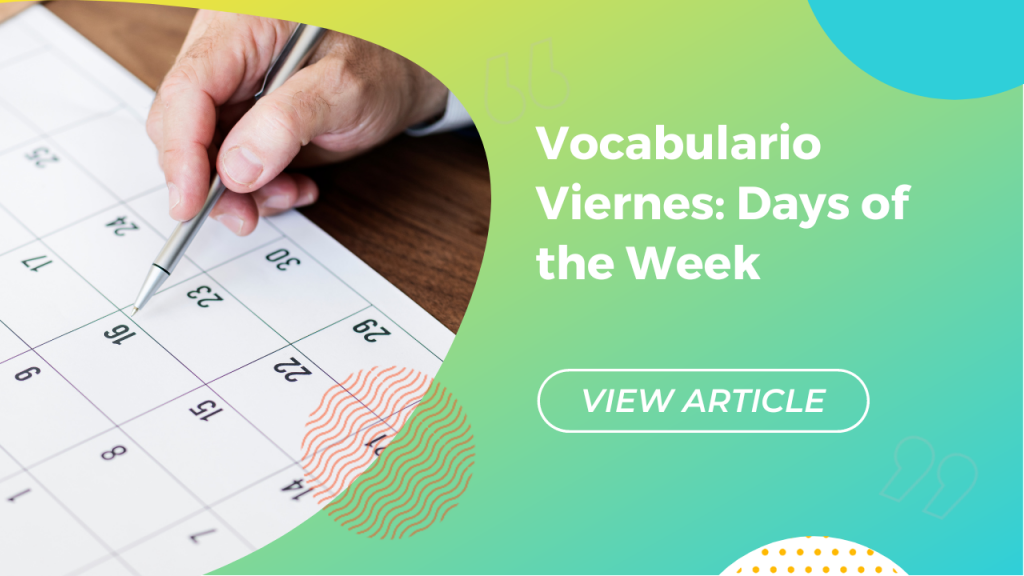
Witajcie w Vocabulario Viernes! Dzisiejszy temat to dni tygodnia, czyli po hiszpańsku los días de la semana. Dni tygodnia przydają się, żeby zapytać, jaki jest dzień, zaplanować coś, ogarnąć terminy i do wielu innych rzeczy. W tym artykule pokażemy Wam dni tygodnia i kilka [...]

Kiedy poznaś kogoś nowego, to zupełnie normalne, że chcesz pokazać się z jak najlepszej strony. Chcesz być miły, uprzejmy i nie wyjść na chamka. Czy wiesz, że to, co w jednej kulturze uchodzi za nietakt, w innej wcale takie być nie musi? Na przykład w Stanach Zjednoczonych nie wypada gapić się na obcych ludzi, bo […]
Na samłutkim początku hiszpańskiego pewnie uczałeś się “Me llamo…”, żeby powiedzieć “Nazywam się…”, ale czy wiesz, że dosłownie oznacza to “Nazywam sam siebie”? W sumie to wyrażenie na powitanie należy do grupy czasowników zwrotnych. W hiszpańskim jest mnóstwo czasowników zwrotnych, które mają specjalne […]

“Me gusta” is one of the very first phrases students learn to say “I like.” However, did you know that it literally translates to “to me, it pleases”? Gustar conjugates a bit differently than other verbs, which is why we’ve dedicated this article to gustar and similar verbs. You’ll master them in no time! How […]













 Polski
  English
  Español
  Italiano
  Français
  Русский