
Kiedy patrzysz na zajęcia językowe, książki, gry itp., na pewno widziałeś kombinację liter i cyfr, znanych jako poziomy biegłości językowej CEFR. A2? B1? Co one oznaczają? Czytaj dalej, aby się dowiedzieć! Krótka historia CEFR CEFR to skrót od Europejskiego Systemu Opisu Kształcenia Językowego. Zasadniczo jest to sposób [...]

Powieści w całości po hiszpańsku mogą się na początku wydawać przytłaczające! To świetny sposób na naukę, ale nie powinny być pierwszą lekturą, po którą sięgniesz. Choć jesteś dorosły, na początku nauki hiszpańskiego Twój poziom czytania jest na poziomie dzieciaka. Najlepszy sposób na poszerzenie słownictwa, żeby […]

Płynność to nie tylko słowa, które wypowiadasz, ale także sposób, w jaki je wypowiadasz. Gesty i mowa ciała odgrywają ogromną rolę w komunikacji! Ruchy rąk i mimika twarzy mogą wydawać się zdroworozsądkowe, ponieważ używasz ich przez całe życie, ale gesty są w rzeczywistości bardzo kulturowe. Istnieją pewne gesty, które są [...]
Jak często siedzisz w ciągu dnia? Może to być więcej niż myślisz! Wstawanie i uważne chodzenie jest korzystne z kilku powodów. Twój mózg potrzebuje i pragnie ruchu, dlatego zbyt długie siedzenie w bezruchu nie jest dobre ani dla naszego ciała, ani dla mózgu. Jeśli czujesz się spięty lub zestresowany, spróbuj [...]
Jedną z największych umiejętności, która przychodzi wraz z rozwojem Twojego hiszpańskiego, jest umiejętność mówienia o opiniach. Aby to zrobić, niektóre czasowniki z przyimkami są powszechne. Oznacza to, że istnieją czasowniki, które zawsze używają określonego przyimka. Ucząc się ich, poszerzysz swoje słownictwo i poczujesz się pewniej, używając trybu łączącego do mówienia [...]
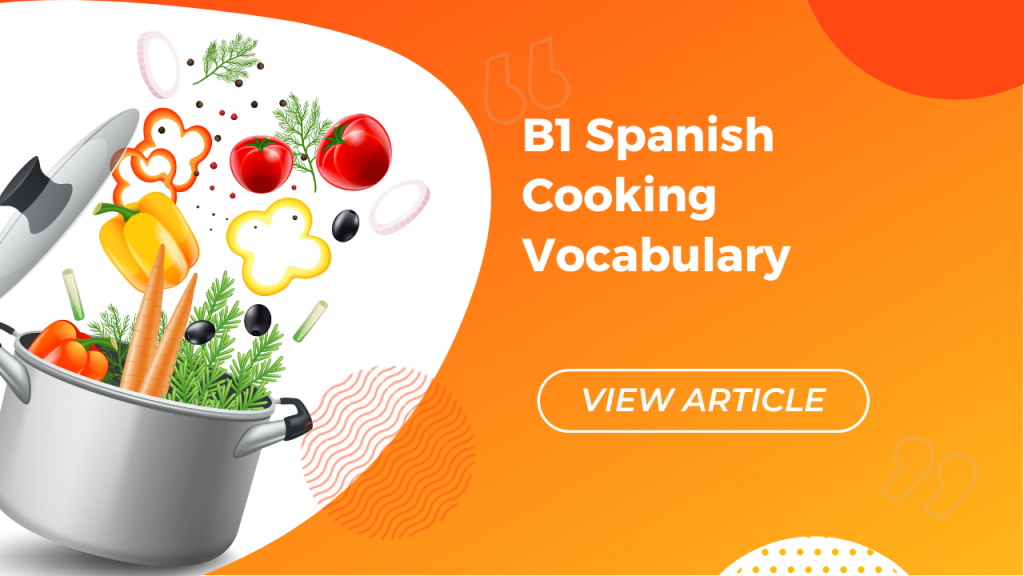
Hiszpańskie słownictwo związane z gotowaniem jest bardzo ważne w codziennym życiu. Kiedy się nad tym zastanowisz, między posiłkami, przekąskami i planowaniem, to słownictwo pojawia się bardzo często. Podstawowe słownictwo dla początkujących jest pomocne, ale jeśli jesteś gotowy na bardziej zaawansowane terminy, pokażemy Ci słowa i zwroty B1, które możesz dodać do swojego repetytorium.

Nauka hiszpańskiego to mnóstwo radości i sukcesów. Kiedy dopada nas frustracja, trudno być dla siebie wyrozumiałym. Co jakiś czas każdy może złapać doła i mieć wrażenie, że nie robi takich postępów, jakby chciał. Ważne jest tylko, żeby przypomnieć sobie, że radzisz sobie […]

Złapałeś się kiedyś na tym, że mówisz: “Hiszpanie po prostu gadają za szybko”? Dla kogoś, kto dopiero się uczy, bywa to wkurzające, gdy czujesz, że nie nadążasz. Fajne jest to, że wcale nie musisz słuchać wszystkiego w oryginalnym tempie. Jasne, celem jest ogarnięcie normalnej komunikacji, ale to wymaga czasu! Jeśli [...]

Nic dziwnego, że wiele świąt w Hiszpanii wywodzi się z chrześcijańskich tradycji i wydarzeń, a La Candelaria nie jest tu wyjątkiem. To święto łączy w sobie właściwie inny aspekt hiszpańskiej kultury, który ludzie na całym świecie kojarzą jako mocno hiszpański – korridę. Jeśli planujesz być w Hiszpanii 2 lutego, miej to święto na uwadze. […]

Jedyną rzeczą trudniejszą niż zaczynanie nowych nawyków jest rzucanie starych. Jeśli stresujesz się nauką hiszpańskiego, bo Twoje umiejętności nienauki nie zawsze były na najwyższym poziomie, posłuchaj! Możesz zerwać ze złymi nawykami nauki dzięki uważności. Jeśli uważność to dla Ciebie nowość, nie martw się! Nie musisz mieć wielkiego doświadczenia w medytacji, żeby praktykować […]













 Polski
  English
  Español
  Italiano
  Français
  Русский