
Każdy język ma czasowniki nieregularne, co oznacza, że odmieniasz je nieco inaczej niż inne czasowniki. Jeśli czujesz się już komfortowo odmieniając czasowniki regularne w czasie teraźniejszym, które kończą się na -ar, -er lub -ir, to nadszedł czas, aby nauczyć się czasowników odmieniających się przez przypadki! Czym są czasowniki odmieniające się przez przypadki? Po pierwsze, musimy przejrzeć części czasownika. [...]

Have you ever heard the term “pro-drop”? It stands for “pronoun-drop” and it’s a grammatical concept that some languages have. Pro-drop might seem like something really small, but learning about it and how to use it will make you feel and sound a little more like a native speaker. Keep reading to learn about it. […]
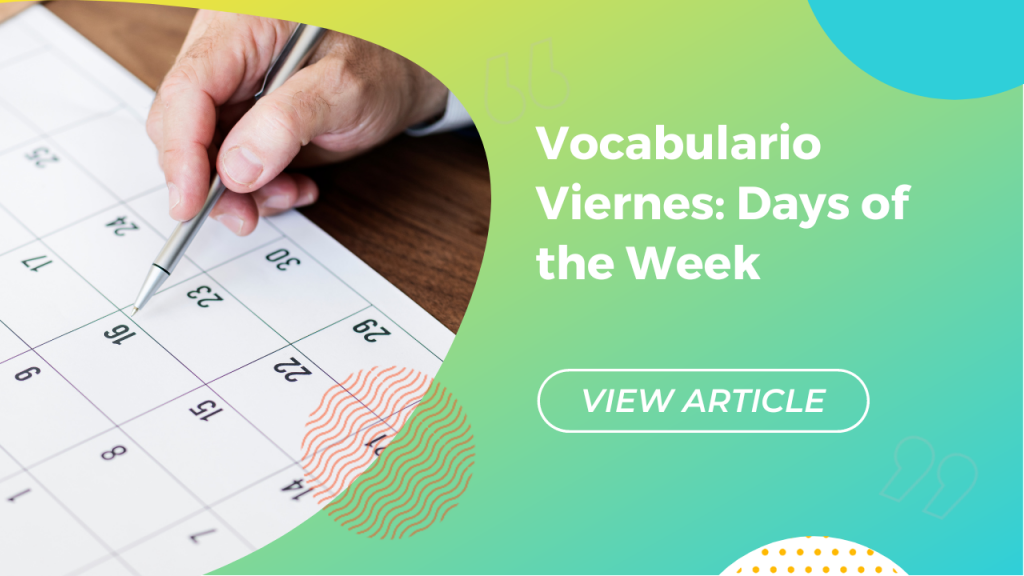
Welcome to Vocabulario Viernes! Today’s topic is days of the week, or in Spanish, los días de la semana. You use days of the week to ask what day it is, to make plans, to understand deadlines, and so much more. In this article, we’ll show you the days of the week, and a few […]

Whenever you meet someone new, it’s natural to want to put your best foot forward. You want to be kind, courteous, and not seem rude. Did you know that what one culture considers rude, another one might not? For example, in the United States, it’s not common to stare at people you don’t know because […]
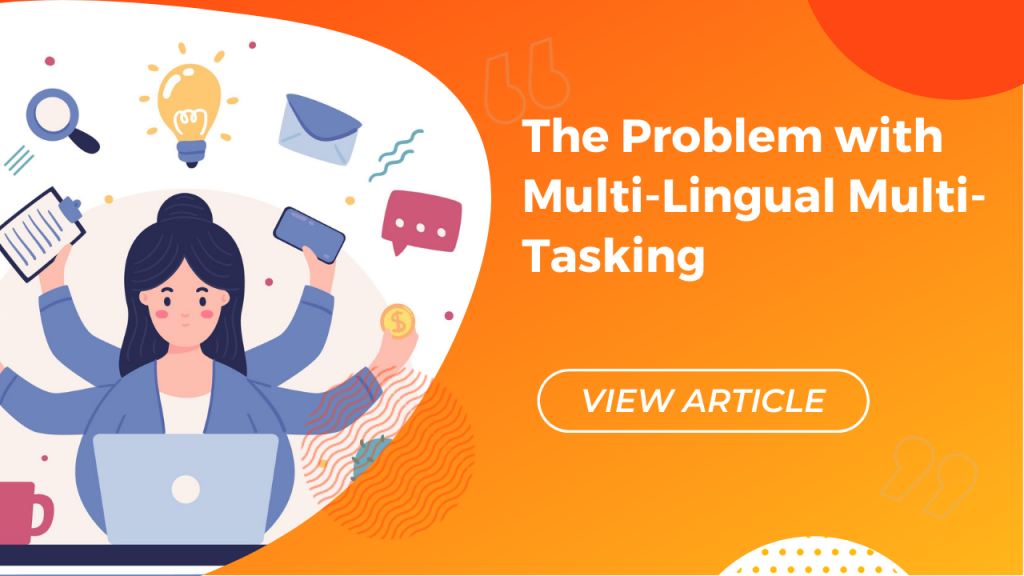
Nowadays, it feels like we are always multi-tasking. You might find yourself on your phone while watching TV, scrolling while in class, texting at dinner, or listening to a podcast while writing a paper. It’s common to multi-task, but there’s a big problem with multi-lingual multi-tasking: it doesn’t work very well when you’re first learning. […]
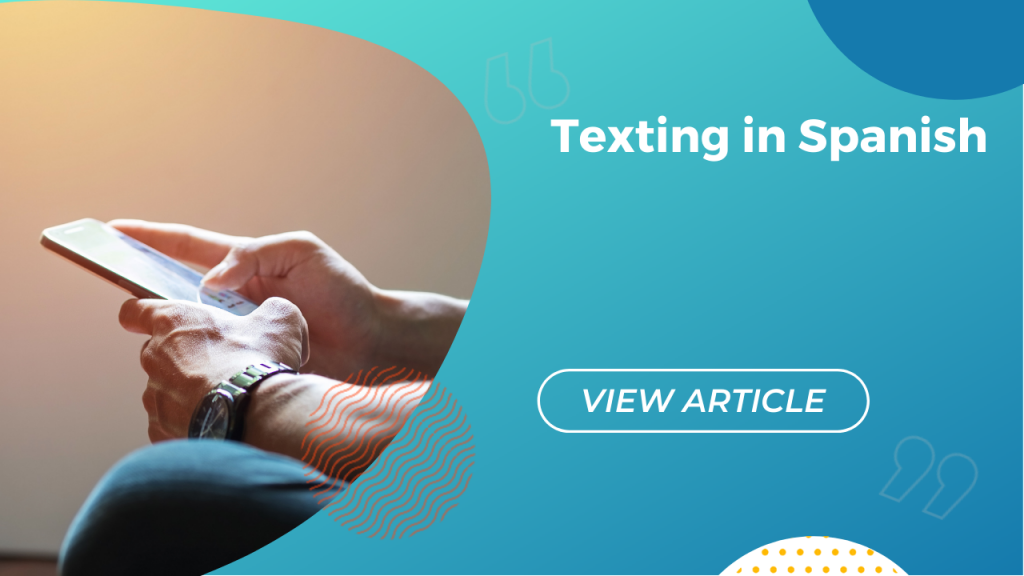
Kiedy zaczynasz uczyć się i ćwiczyć nowy język, naturalnym kolejnym krokiem jest nawiązanie znajomości z osobami mówiącymi po hiszpańsku. Możesz z nimi ćwiczyć, uczyć się od nich i, miejmy nadzieję, wspólnie tworzyć nowe wspomnienia. W dzisiejszych czasach duża część naszej komunikacji odbywa się w Internecie. Obejmuje to platformy mediów społecznościowych, wiadomości błyskawiczne, e-maile i wszelkie inne witryny, w których [...]

At the very beginning of your Spanish classes, you probably learned “Me llamo…” to say “My name is…” but did you know it literally translates to “I call myself”? In fact, this introductory phrase is part of a category of verbs called reflexive verbs. There are lots of reflexive verbs in Spanish that have special […]

There’s a reason that teachers have been labeling items in their classrooms for years. The best way to learn new vocabulary isn’t by translating in your head, but rather associating images and symbols with the word in the target language. For example, you want to practice looking at a tree and thinking “árbol“, not thinking […]

Kiedy ostatnio byłeś w supermarkecie, co kupiłeś? Kupiłeś arroz i pollo, a może manzanas i zanahorias? Świetnym sposobem na ćwiczenie hiszpańskiego w codziennym życiu jest sprawdzenie, jakie słowa znasz po hiszpańsku w codziennym życiu. Na szczęście wiele sklepów [...]

The first time someone asks you, “¿Cómo estás?” and you confidently answer “¡Bien!” or “¡Mal! is such a good feeling! You understood a question and were able to naturally answer it. However, maybe you want to give a more detailed answer. If you’re ready to add some more exciting vocabulary to your conversations, we’ll show […]













 Polski
  English
  Español
  Italiano
  Français
  Русский