- [email protected]
- +34 961258767
- Av. del Marqués de Sotelo 3, Floor 2, Door 4, 46002 Valencia
Аккредитованный центр Института Сервантеса


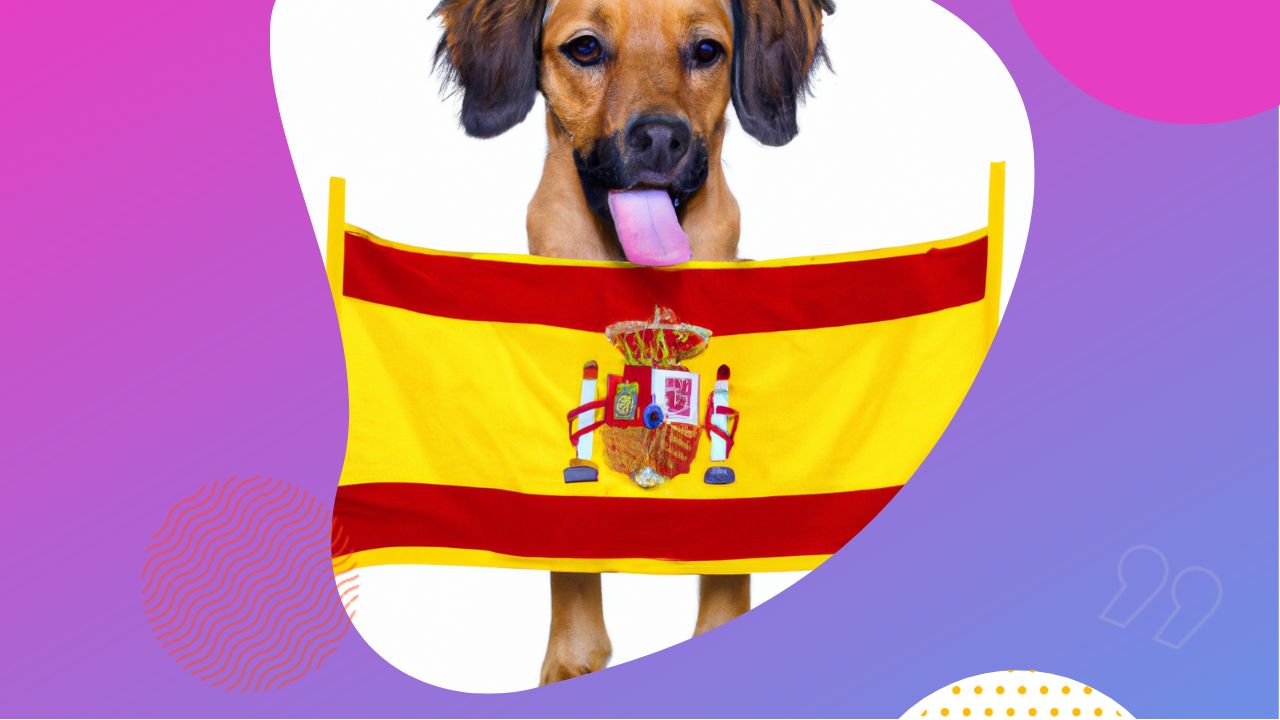
Spain, a country renowned for its rich culture, stunning landscapes, and vibrant cities, is also home to a diverse array of native animals. From the Iberian lynx prowling the woodlands to the majestic Spanish imperial eagle soaring in the skies, Spain boasts a fascinating ecosystem that students of Spanish can explore to deepen their understanding of the language and the country’s natural heritage. If you’re a nature enthusiast, these native animals are perfect to learn about to improve your Spanish vocabulary!
Иберийская рысь, или “линсе иберико” по-испански, — один из самых известных и вымирающих видов Испании. With its distinctive tufted ears and spotted coat, the lynx roams the Iberian Peninsula, primarily inhabiting the Mediterranean scrublands and forests. You can learn about the efforts undertaken by conservationists to protect this majestic feline and its habitat, while also expanding your Spanish vocabulary related to wildlife conservation.
The Spanish imperial eagle, or “Águila Imperial Española,” is a symbol of strength and resilience in Spain. Endemic to the Iberian Peninsula, this magnificent bird of prey can be found in the open woodlands and grasslands of central and southern Spain. If you love animals that fly in the sky, you can delve into vocabulary related to birdwatching and learn about the роль орла in Spanish culture and history.
Иберийский волк, или “лобо иберико”, — это скрытный и очень живучий хищник, который обитает в лесах и горах на севере Испании. Known for its intelligence and social behavior, the wolf plays a crucial role in maintaining the balance of ecosystems. By exploring vocabulary related to animal behavior and ecology, you can gain insights into the intricate relationships between species in Spain’s wilderness.
Испанский горный козел, или “кабра монтес”, — это ловкий горный козел, который отлично чувствует себя на скалистых территориях испанских горных цепей, включая Сьерра-Неваду и Пикос-де-Эуропа. If you want to learn more, you can learn about the unique adaptations that enable the ibex to navigate steep cliffs and evade predators. By doing so, you’ll also expand your Spanish vocabulary related to mountain ecosystems and wildlife habitats.
Exploring Spain’s native animals offers students of Spanish a unique opportunity to deepen their language skills while also gaining a greater appreciation for the country’s natural heritage. By immersing yourself in the vocabulary and concepts related to Spain’s wildlife, you can enhance their linguistic proficiency while fostering a deeper connection to the natural world.
 English English
  Español
 Italiano
 Français
 Polski
 Русский