Una de las partes más difíciles de aprender un nuevo idioma es lidiar con lo que no se traduce exactamente. ¿Te acuerdas cuando aprendiste los falsos amigos y viste que los idiomas no siempre siguen los mismos patrones? Igual que otras reglas gramaticales que no se traducen literalmente, es importante aprender cuándo usar la “a personal” […]

Aprender desde casa puede tener beneficios súper chidos. Puede ser barato no pagar por cursos, y puedes practicar a tu propio ritmo. Si lo agarras rápido, le puedes dar más rápido. Por otro lado, si necesitas más tiempo y práctica, puedes ir más lento. Sin embargo, hay […]

Si piensas viajar o vivir en el extranjero, una de tus principales preocupaciones debe ser moverte por la ciudad. Aunque los teléfonos móviles han facilitado infinitamente la navegación en otros países, sigue siendo importante conocer los términos básicos. Ir de compras, cenar y otras actividades divertidas suelen utilizar mucho vocabulario de tiendas, [...].
La mayoría de las palabras interrogativas, o pronombres interrogativos, en español parecen traducirse exactamente igual en inglés. Por ejemplo, en la pregunta "¿Cuándo es el examen?", cuándo significa when. En ciertos casos, las palabras interrogativas qué o cuál pueden adoptar significados similares, como what o

Realmente hay infinitas razones para empezar a aprender otra lengua. Puedes viajar a nuevos lugares, conocer gente nueva e incluso adquirir nuevas perspectivas del mundo. Han surgido montones de investigaciones sobre los beneficios de un cerebro bilingüe tanto en niños como en adultos. Todas estas razones comunes tienen una cosa en [...]
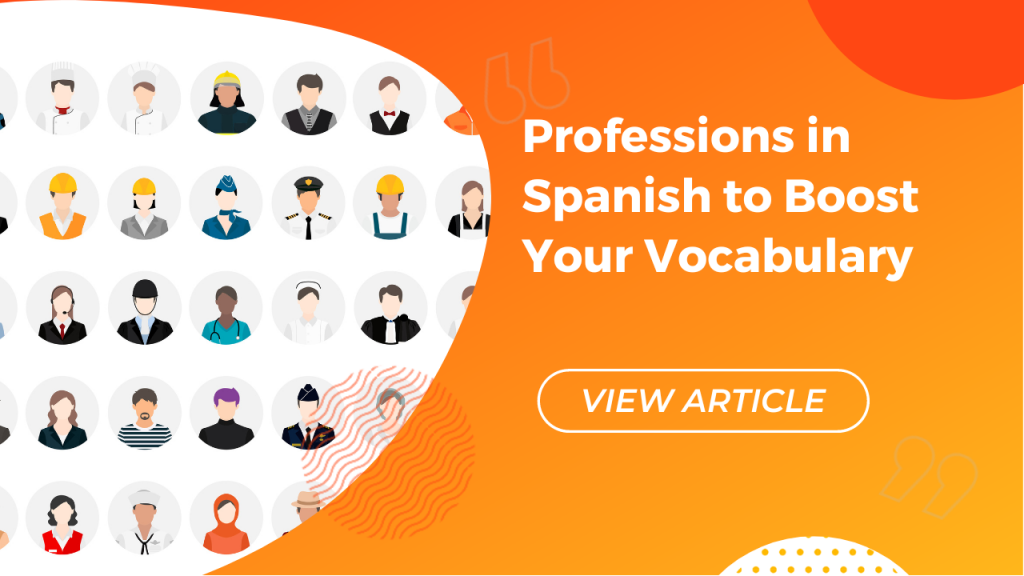
Cada día surgen nuevos puestos de trabajo que no existían el día anterior. Eso puede hacer que sea difícil hablar de nuestro propio trabajo en inglés, y especialmente difícil en un segundo idioma. Cada sector tiene términos específicos de su campo, por lo que es difícil imaginar cuántas profesiones hay ahí fuera. Aquí vamos a simplificar […]
La forma en que vemos el mundo que nos rodea puede tener un impacto directo en nuestro estado de ánimo. Probablemente te habrás dado cuenta de que cuando tienes una actitud pesimista hacia tu día, tu estado de ánimo tiende a empeorar. En cambio, cuando tienes una actitud positiva, tu estado de ánimo mejora. ¿Sabías que tu forma de pensar puede [...]
Llevar un diario de idiomas al aprender una lengua tiene muchas ventajas, y es aún más útil si estás aprendiendo en casa. Puedes encontrar miles de productos en las tiendas con diferentes plantillas, consignas y extensiones, o puedes coger un simple cuaderno y un bolígrafo. Cualquiera que sea el camino que elijas para empezar a […]
¡Bienvenidos de nuevo a Vocabulario Viernes! Hoy seguimos con el vocabulario del calendario en español. Si aún no lo has visto, échale un vistazo a nuestro último Vocabulario Viernes sobre los días de la semana. Después de aprender los días de la semana y el formato de un calendario en español, aquí te enseñaremos los meses en […]
Ser y estar, uno de los componentes gramaticales principales de los cursos de español de nivel A1, puede parecer intimidante al principio, pero no da tanto miedo como parece. Sin embargo, una vez que te acuerdes de las reglas sobre cuándo usar cada uno, te empezará a salir de forma natural. Presta atención a los siguientes consejos para ayudarte a usar ser [...]


 Español
  English
  Italiano
  Français
  Polski
  Русский