Una delle parti più difficili nell'imparare una nuova lingua è gestire quegli aspetti che non si traducono alla perfezione. Ti ricordi quando hai imparato i falsi amici e hai scoperto che le lingue non seguono sempre gli stessi schemi? Proprio come altre regole grammaticali che non hanno una traduzione letterale, è importante capire quando usare la “a personale” [...]

Imparare da casa può avere dei vantaggi fighi. Può essere economico non pagare per i corsi, e puoi fare pratica quando ti pare. Se capisci le cose al volo, puoi andare più veloce. D'altra parte, se ti serve più tempo e pratica, puoi andare più piano. Però, c'è [...]
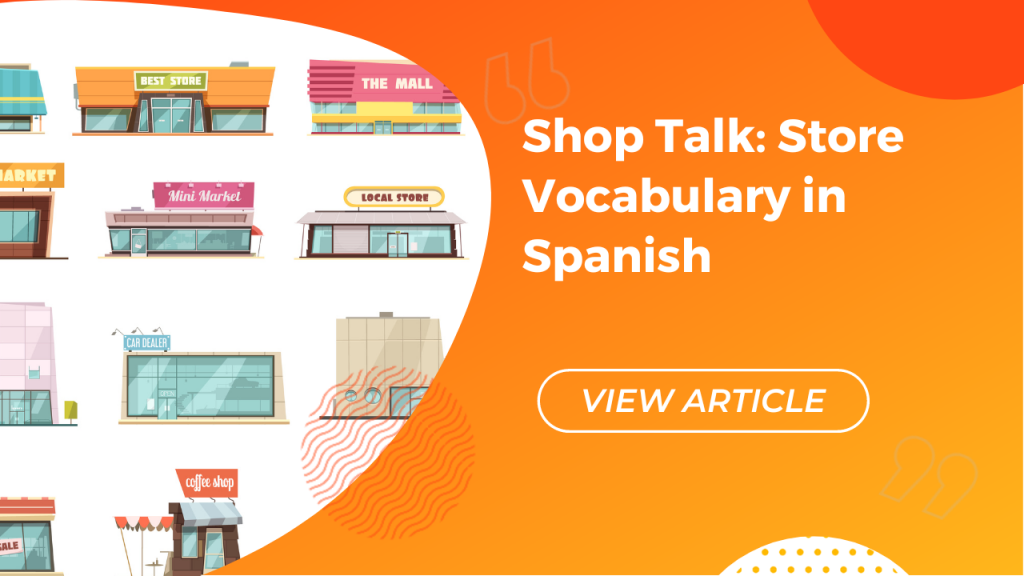
Se hai intenzione di viaggiare o di vivere all'estero, una delle tue principali preoccupazioni è quella di muoverti in città. Anche se i telefoni cellulari hanno reso infinitamente più facile capire come orientarsi in altri Paesi, è comunque importante conoscere i termini di base. Lo shopping, la ristorazione e altre attività divertenti tendono a utilizzare un vocabolario [...]
La maggior parte delle parole interrogative, o pronomi interrogativi, in spagnolo sembrano tradursi esattamente allo stesso modo in inglese. Ad esempio, nella domanda "Cuándo es el examen?" che significa "Quando è l'esame?", cuándo significa quando. In alcuni casi, le parole interrogative qué o cuál possono assumere significati simili, come what o

Ci sono davvero infinite ragioni per iniziare a imparare un'altra lingua! Puoi viaggiare in posti nuovi, conoscere nuove persone e persino acquisire nuove prospettive sul mondo. Sono state condotte numerose ricerche sui benefici di un cervello bilingue sia nei bambini che negli adulti. Tutti questi motivi comuni hanno una cosa in [...]
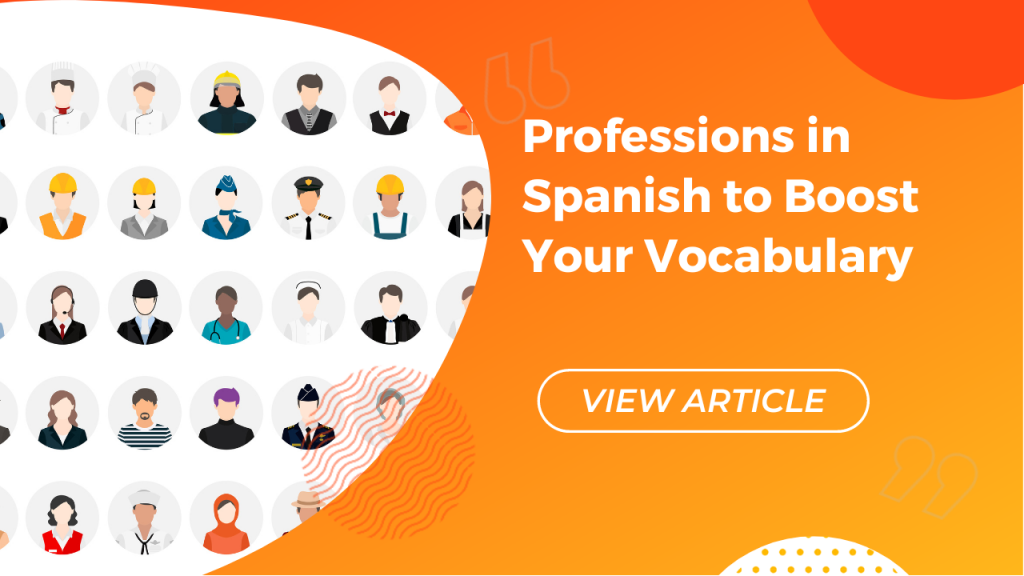
Ogni giorno saltano fuori nuove qualifiche che il giorno prima non esistevano! Questo può rendere complicato parlare del proprio lavoro in inglese, ed è ancora più difficile in una seconda lingua. Ogni settore ha i suoi termini specifici, quindi è difficile immaginare quante professioni esistano là fuori. Qui semplificheremo […]
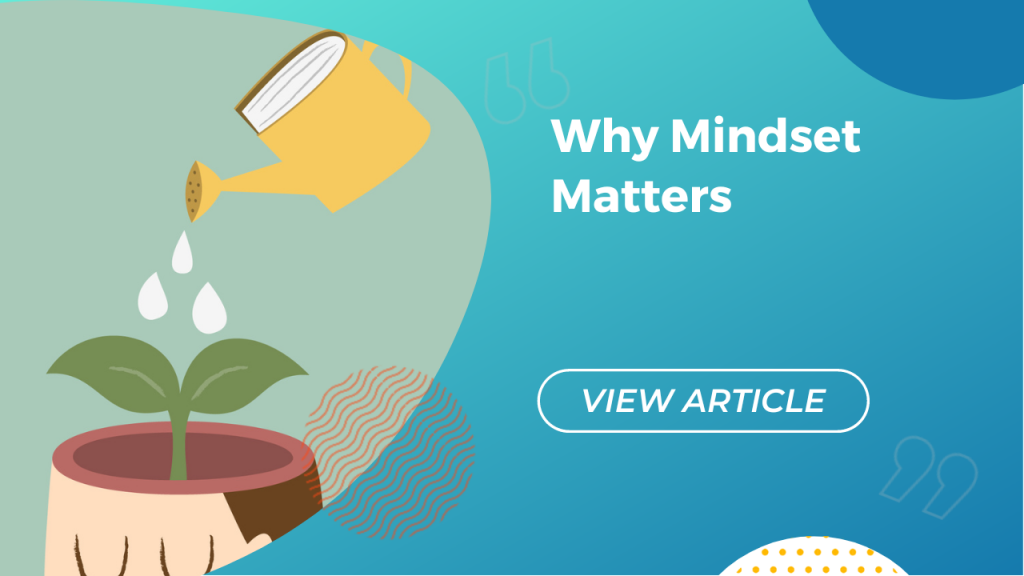
Il modo in cui vediamo il mondo che ci circonda può avere un impatto diretto sul nostro umore. Probabilmente avrai notato che quando hai un atteggiamento pessimista nei confronti della tua giornata, il tuo umore tende a peggiorare. Al contrario, quando hai un atteggiamento positivo, il tuo umore migliora. Sapevi che la tua mentalità può [...]
Tenere un diario di lingua quando impari una lingua ha un sacco di vantaggi, ed è ancora più utile se studi da casa. Puoi trovare migliaia di prodotti nei negozi con layout, spunti e lunghezze diverse, oppure puoi prendere un semplice quaderno e una penna. Qualsiasi strada tu scelga per iniziare a […]
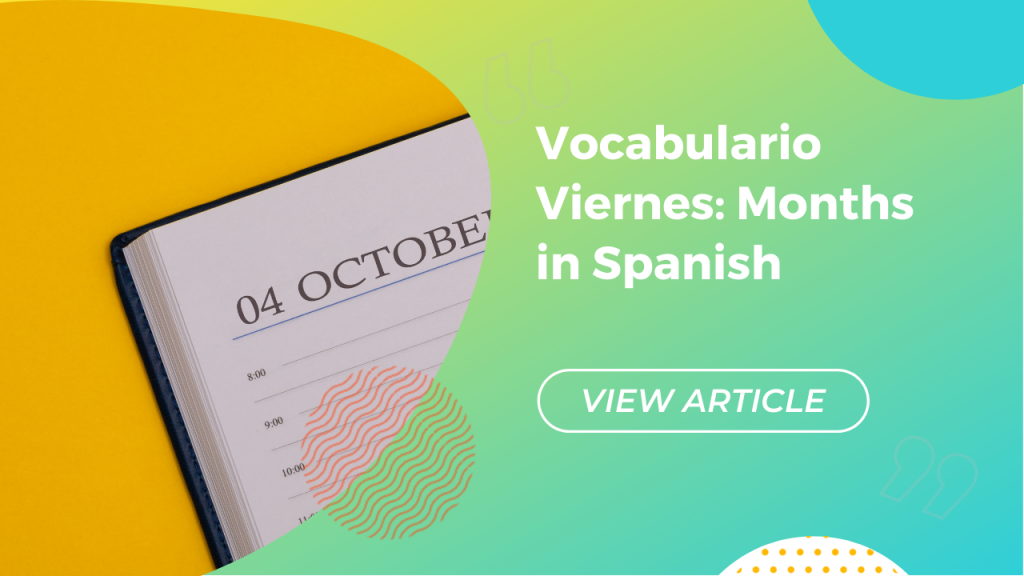
Bentornati a Vocabulario Viernes! Oggi continuiamo con il nostro vocabolario sul calendario in spagnolo. Se non l'hai ancora visto, dai un'occhiata al nostro ultimo Vocabulario Viernes sui giorni della settimana. Dopo aver imparato i giorni della settimana e il formato di un calendario in spagnolo, qui ti mostriamo i mesi in […]

Ser contro estar, uno degli argomenti principali dei corsi di spagnolo A1, può sembrare difficile all'inizio, ma non è così spaventoso come sembra. Però, una volta che ti ricordi le regole su quando usare l'uno o l'altro, ti sembrerà tutto naturale. Fai attenzione a questi consigli per usare ser [...]












 Italiano
  English
  Español
  Français
  Polski
  Русский