
Non c'è bisogno di spiegare perché studiare all'estero è uno dei modi più rapidi e sicuri per imparare una lingua. Ma molti hanno difficoltà a convincersi a farlo, anche se viaggiare diventa ogni giorno più accessibile. Hai mai pensato di portare il tuo spagnolo a un livello superiore [...]

Se hai acquistato un po' di sicurezza con le tue capacità di parlare spagnolo, probabilmente non vedi l'ora di iniziare a parlare la lingua in pubblico. Un ottimo modo per farlo è andare in un bar e attaccare bottone con un po' di conversation. Soprattutto in un bar frequentato da madrelingua spagnoli, troverai persone desiderose di aiutarti a fare progressi con [...]

Hai mai problemi con la pronuncia dello spagnolo? Ti è capitato spesso di sentire i professori che insistono sull'importanza della pronuncia? Come se fosse la nostra unica missione nella vita? La pronuncia è importante, certo, ma non è la nostra priorità principale. La comunicazione lo è. Se stai imparando lo spagnolo, speriamo che tu non ti senta […]

Spesso si dice che, quando impari una nuova lingua, cantare le canzoni famose aiuti a memorizzare meglio, ad ampliare il vocabolario e persino a rendere lo studio più semplice e divertente. E quale modo migliore se non farlo con la super hit da record di Luis Fonsi del 2017, “Despacito”? Ma se stai cantando “Despacito”, [...]

Quando iniziamo a imparare lo spagnolo, la maggior parte delle persone preferisce puntare su competenze facili e conversaional invece che su una grammatica pesante. In questo modo si ha un senso di fluidità raggiungibile fin dall'inizio. In altre parole, è bene avere un po' di vocabolario pronto all'uso. Ecco perché in questo articolo affronteremo uno dei preferiti di sempre: la famiglia [...]
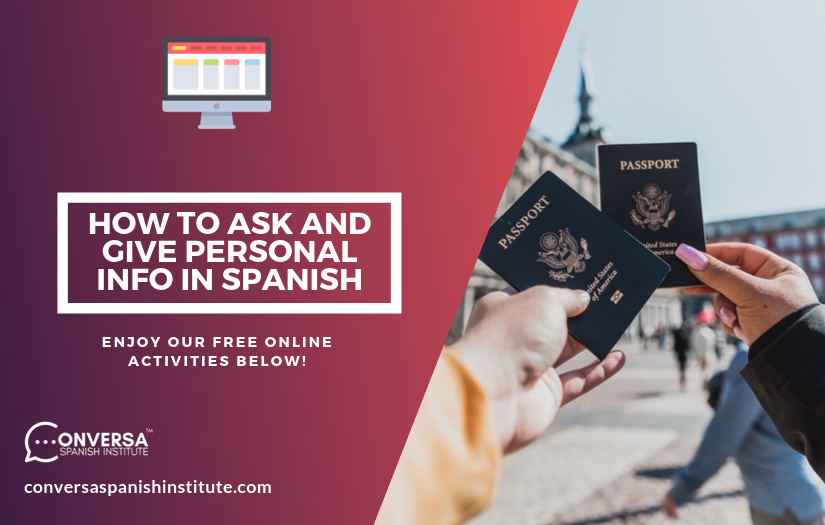
Quando ti trovi in un ambiente nuovo, è di fondamentale importanza che tu sappia rispondere alle domande sui dati personali. Ci auguriamo che tu non ti trovi mai in una situazione di emergenza, ma anche in circostanze normali dovrai capire cosa ti viene chiesto. Ti stai trasferendo in un paese di lingua spagnola? O forse stai solo facendo un po' di [...]
Sapevi che nel mondo ci sono 21 paesi in cui si parla spagnolo? Anche se lo spagnolo non è la lingua ufficiale in questi paesi, alcuni dei luoghi in cui potresti usare le tue abilità di lingua spagnola potrebbero sorprenderti. Anche se forse non viaggerai in Africa nella Guinea Equatoriale [...]

Maggio è il mese delle madri in circa metà del mondo. Sai perché? Ogni singolo paese ha uno o più motivi per cui rende omaggio alla maternità a maggio. Nella maggior parte dei paesi di lingua spagnola, questo è dovuto principalmente a una forte tradizione religiosa. Quindi parliamo della festa della mamma […]

Un errore molto comune sul Cinco de Mayo è che si celebri l'indipendenza del Messico dalla Spagna. Ma in realtà è il 16 settembre, ed è una cosa seria per i messicani. Non confondere queste due date! Quindi, cos'è il Cinco de Mayo? Leggi di piùVideo: falsi amici spagnolo-inglese. Il 5 maggio si festeggia la vittoria dell'esercito del Messico contro […]

Stai studiando spagnolo e fai fatica con la grammatica? Ti capiamo benissimo. Anche se lo spagnolo non ha una grammatica super complessa, è comunque più rognosa di quella inglese. Per questo vogliamo che ti dimentichi di tutti i problemi con lo spagnolo e mantenga un atteggiamento positivo leggendo i nostri articoli! Impariamo gli aggettivi dimostrativi e possessivi in spagnolo […]













 Italiano
  English
  Español
  Français
  Polski
  Русский