- [email protected]
- +34 961258767
- Av. del Marqués de Sotelo 3, Planta 2, Puerta 4, 46002 Valencia
Centro Acreditado por el Instituto Cervantes
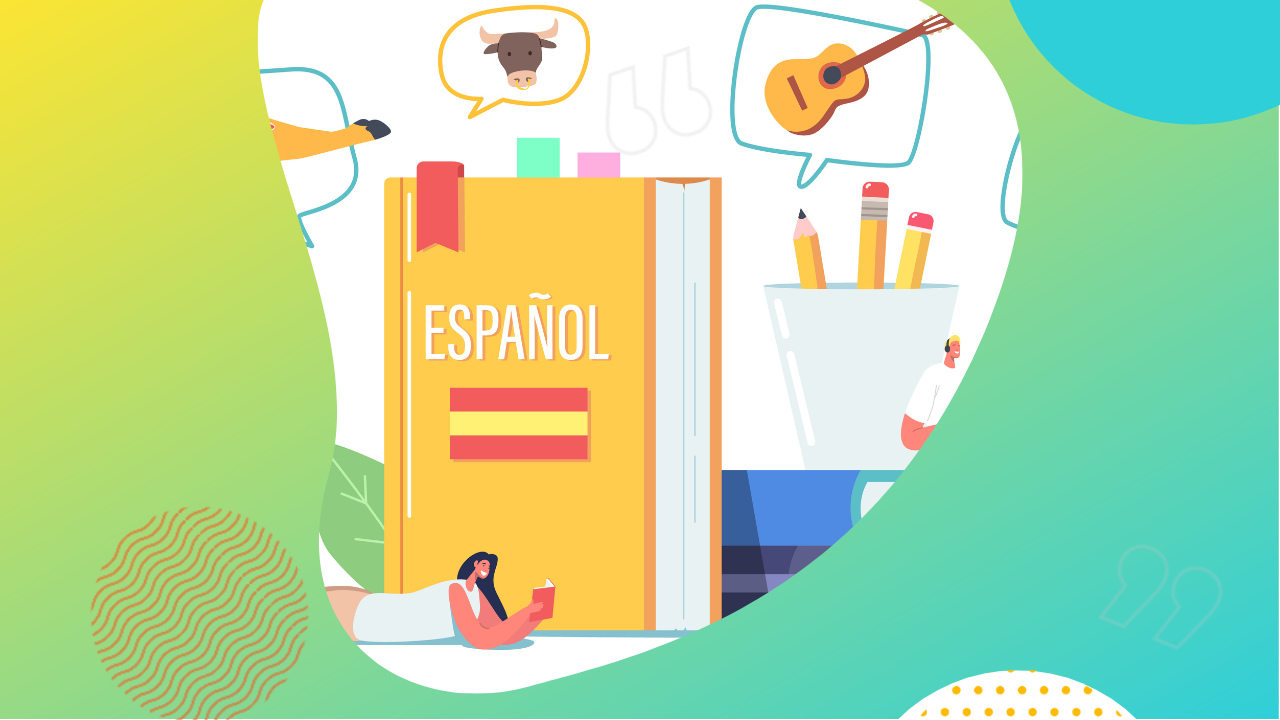
La gramática no suele ser lo que entusiasma a los estudiantes de español para su próxima clase. Los componentes gramaticales exigen memorización, práctica y una comprensión más profunda de los mecanismos y estructuras que forman el español. Te puedo decir sinceramente que en cuanto empecé a sentirme con más confianza, de verdad le tomé el gusto a aprender gramática. ¿Por qué? ¡Porque así me di cuenta de que podía decir exactamente lo que quería! Aunque al principio diferenciar entre tiempo y modo verbal pueda parecer abrumador, estos consejos para abordar el uso de los tiempos y modos verbales en español te harán sentir con más soltura al hablar y escribir.
Esto lo oigo todo el tiempo. “¡Esto es tan diferente del inglés!” La realidad es que, como hablante de inglés, utilizas diferentes tiempos verbales y modos al mismo tiempo en casi todas las conversaciones que tienes. Probablemente no te enseñaron las palabras “subjuntivo” o “modo” en inglés; simplemente aprendiste cuándo una frase sonaba bien. Los que aprenden inglés aprenden los modos subjuntivo e indicativo igual que tú los aprendes en español.
Sin embargo, es verdad que los estados de ánimo se representan de forma distinta en español y en inglés. En español, conjugas los verbos según el tiempo y el modo. Por eso existen el “presente de indicativo” y el “presente de subjuntivo”. Los dos son formas de conjugar un verbo, usadas en distintas circunstancias. En inglés, los diferentes modos requieren palabras adicionales. En vez de cambiar el verbo, le añades más palabras para modificar la acción.
Aunque hay un montón de explicaciones más complicadas y detalladas para diferenciar entre el tiempo y el modo verbal, aquí tienes la forma más simple de verlo. En español, hay 18 tiempos verbales divididos en tres modos diferentes. Puedes empezar a entenderlo una vez que hayas pillado los principios básicos:
Aunque los tiempos verbales pueden complicarse un poco, la forma básica en que puedes pensarlos es, “¿Esto ya pasó, está pasando ahora o pasa seguido, o va a pasar en el futuro?”
Luego, puedes determinar el modo. Puede que hayas oído hablar del “presente regular” cuando empezaste a aprender, o tal vez lo aprendiste por su nombre correcto: el presente de indicativo. En español, los tres modos son:
Aunque al principio pueda parecer complicado dominar cada tiempo y modo, y te abrume un poco, si ves la gramática y las conjugaciones pensando en “¿cuándo pasó esto?” y “¿estoy seguro o dando una opinión?”, te irá resultando más fácil, claro y natural.
 English English
  Español
 Italiano
 Français
 Polski
 Русский